
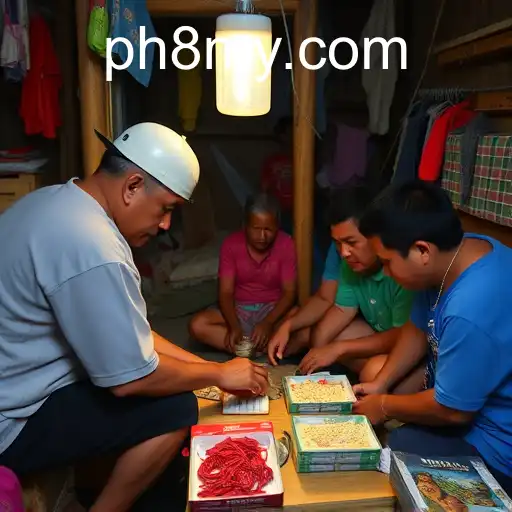
PH8.COM | Exploring the Depths of Jueteng in the Philippines
PH8.COM’s An in-depth exploration of jueteng, its societal impact, economic drivers, and persistent cultural significance in the Philippines.
Understanding the Intricacies of Jueteng and Its Impact on Society
Jueteng is a deeply rooted numbers game played in the Philippines, attracting a diverse array of participants, from ordinary citizens seeking financial luck to influential figures looking to capitalize on its widespread appeal. Despite its enduring presence, jueteng remains an illegal activity under Philippine law, yet it continues to flourish due to its deeply embedded cultural and economic significance.
The Origin and Mechanics of Jueteng
The origins of jueteng can be traced back to the colonial era, evolving over time to become the informal lottery system it is today. The game involves selecting a combination of numbers, typically between one to thirty-seven, with bets placed on the chance of the chosen numbers being drawn. Players can place small bets, allowing individuals from all economic backgrounds to participate.
Locally appointed collectors travel door-to-door or operate from centralized locations to gather bets, maintaining an extensive network of bettors and coordinators. The drawn numbers are announced through radio or trusted intermediaries, often leading to small-scale celebrations in the homes of winners. Despite the obvious lack of legal backing, jueteng thrives through a complex web of social and economic dependencies.
Societal Impact and the Role of Corruption
One cannot discuss jueteng without addressing the intertwined nature of politics and corruption within its framework. Given its extensive reach and profitability, local officials and law enforcement agencies are frequently implicated in protecting or even facilitating jueteng operations. The allure of easy money often subverts the rule of law, perpetuating a cycle of corruption that is difficult to dismantle.
Additionally, jueteng operations often funnel their proceeds into financing political campaigns, effectively giving bribers the power to influence local governance. This creates challenges in fostering transparency and accountability within public offices, as elected officials may find themselves beholden to jueteng financiers.
Economic Drivers Behind Jueteng
The economic allure of jueteng lies in its promise of instant wealth. For many Filipinos living in poverty, the chance to win substantial sums can be tempting, leading to regular participation despite the odds being heavily against them. This desperate hope for financial redemption often overshadows the illegality and risk of participating in such gambling activities.
Moreover, jueteng provides employment to numerous individuals involved in its logistical operations. From bet collectors to coordinators, it offers a form of livelihood in areas with limited economic opportunities. This further entrenches its position within communities lacking viable job options, making its eradication not just a legal, but also a social and economic issue.
Efforts to Combat Jueteng
Over the years, multiple administrations have attempted to eradicate jueteng, but with limited success. Operations to uncover and penalize those involved are frequently undermined by deep-rooted networks and corruption. Authorities have also tried to introduce legalized forms of lottery, such as the Small Town Lottery (STL), hoping to offer a legal alternative that can generate government revenue.
However, these measures face significant obstacles. The lure of unregulated, untaxed, and informal gambling provides a compelling alternative that many simply cannot resist. Additionally, the inefficiencies and corruption that sometimes plague state-run lotteries further complicate efforts to transition bettors away from jueteng.
The Persistence of Jueteng Culture
Despite continuous crackdowns, jueteng persists as a cultural phenomenon. It symbolizes not just a yearning for immediate financial relief, but also a cultural tradition passed down through generations. Its persistence reveals a broader narrative about the socio-economic struggles faced by many in the Philippines and highlights gaps in governance and social welfare systems.
The challenge remains in addressing the socio-economic conditions that make jueteng attractive in the first place. Without improving the structural inequities that drive people towards it, efforts to rid the country of jueteng will remain futile. Comprehensive socio-economic reforms and enhanced transparency in public service are pivotal.
Yet, solutions are not easy or straightforward. Any mechanism that seeks to displace jueteng must offer the same immediacy and promise that it provides. Addressing the demand side requires broad educational campaigns and the promotion of financial literacy, teaching individuals about the risks and downsides of gambling.
The Future of Jueteng and Society
With its entrenched complexities, jueteng remains a controversial topic in the ongoing discourse about legality, morality, and socio-economic realities in the Philippines. The challenge lies in creating a future where communities are not tempted by the false hope of illegal gambling, yet still have access to the financial means they aspire to.
Ultimately, the path forward involves concerted efforts from all levels of government and society to create sustainable alternatives to jueteng. This includes reforms to provide better educational and economic opportunities, enabling citizens to thrive without resorting to gambling. Only then can the age-old practice of jueteng be relegated to history, allowing society to focus on genuine avenues for progress and development.
For more insights into socio-economic issues affecting the Philippines, visit PH8.COM where we explore the complexities of local traditions and emerging challenges.
